
Adil Najeeb LLB (Hons) LLM – Criminal Defence Solicitor & Higher Court Advocate

Adil Najeeb is a criminal defence solicitor, qualified duty solicitor, and Higher Court Advocate specialising in serious, complex, and high-profile cases. He delivers decisive, strategic representation from the police station through to Crown Court trial, ensuring clients are robustly defended at every stage.

His practice focuses on the most demanding areas of criminal law, including historic sexual abuse allegations, large-scale fraud, organised crime, firearms offences, and multi-defendant drugs conspiracies. Adil is recognised for his rigorous case analysis, meticulous preparation, and ability to identify and exploit weaknesses in the prosecution’s case.

With Higher Rights of Audience, Adil represents clients directly in the Crown Court, offering continuity of representation and confident, effective advocacy. His experience enables him to manage demanding cases involving extensive evidence, multiple parties, and significant legal complexity.

As a duty solicitor, Adil is frequently instructed in urgent and high-pressure situations, where early, decisive advice is critical. He is committed to protecting his clients’ position from the outset and delivering clear, pragmatic guidance throughout proceedings.

Adil combines precision, discretion, and a results-driven approach, earning the trust of clients facing the most serious allegations. He is a determined advocate, focused on achieving the best possible outcome in every case and his dedication, discretion, and attention to detail have made him a respected figure in criminal defence practice.
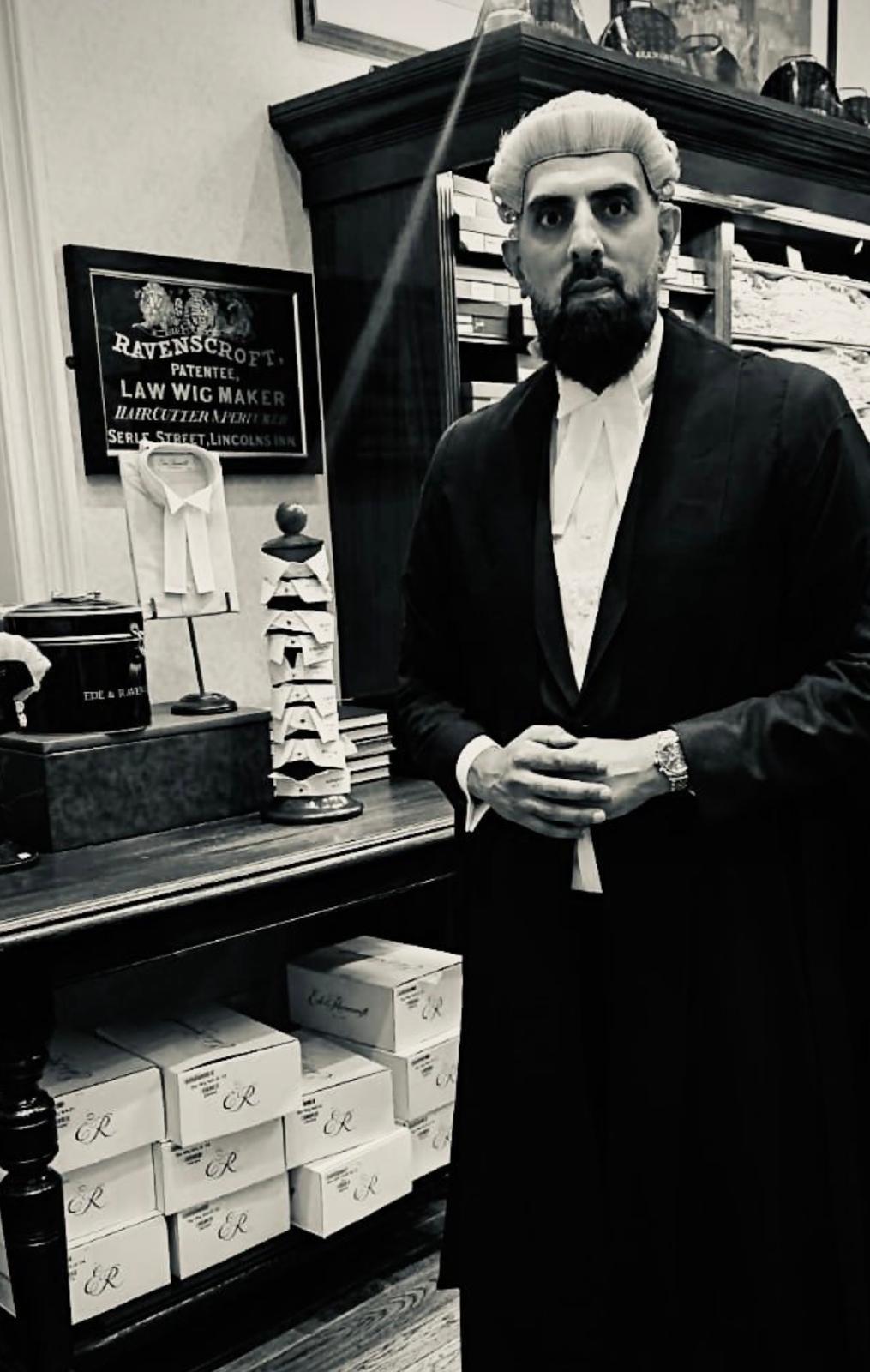

Adil Najeeb - Criminal Defence Solicitor

Notable Cases

Following a three-year investigation by Staffordshire Police, we were instructed to represent the first defendant in a seven-handed case involving allegations of modern slavery, forced labour, theft, and money laundering.

As a result of the defence team’s meticulous preparation, the prosecution was required to undertake an urgent review of its case and to reassess whether there remained a realistic prospect of conviction, particularly following detailed and effective cross-examination of prosecution witnesses by Defence Counsel.

On the twenty-first day of trial, the prosecution offered no evidence against all defendants on all counts on the indictment. Not guilty verdicts were subsequently returned.

Operation Totland was an investigation conducted by Greater Manchester Police focusing on the ‘Show No Remorse’ gang in Gorton, Manchester, and identifying individuals involved in the conversion and possession of firearms.

The defendant faced multiple firearms charges, including possession of a firearm with intent to enable another to endanger life, conversion of a firearm, and possession of a firearm for sale.

Following a detailed review of the prosecution case and the submission of a basis of plea, the prosecution agreed not to proceed with the principal charge of possession of a firearm with intent to enable another to endanger life.

The defendant was charged with offences in relation to conspiracy to supply class A and class B drugs. The prosecution alleged that he had played a leading role in an organised crime group, acting as both a supplier and distributor.

It was further claimed that the defendant and others used legitimate businesses as a front to operate a large-scale drug supply network, with transactions worth millions of pounds.

The case involved complex telephone evidence, requiring careful analysis and a detailed understanding of its limitations, including potential weaknesses in cell site data. A further key element of the prosecution case concerned an audio recording attributed to the defendant. An expert was instructed to assess whether the recording could reliably identify him but concluded that it was not possible to attribute the recording to the defendant.

Operation Swordfish was in relation to an investigation into the operation of drugs lines in Manchester and the Defendant’s role in the operation.

An international warrant had been issued for the Defendant following the recovery of wholesale amounts and induvial deals ready for sale of heroin, crack cocaine and cocaine from an address linked to the defendant.

It was the prosecution case that the Defendant was the leader of the organised crime group and the core of the case revolved around reviewing the copious amounts of phone evidence. Following meticulous review of the telephony data, the defendant followed advice to plead guilty.

The defendant, together with his co-defendant, was charged with possession with intent to supply Class A drugs, following the discovery of approximately 300 ‘wraps’ of crack cocaine and 180 ‘wraps’ of heroin in a vehicle. Mobile phones were also recovered, which the prosecution relied upon as indicative of involvement in the supply of controlled drugs.

On the day of trial, following a review of the expert evidence, Defence Counsel made submissions regarding the admissibility of that evidence. The prosecution subsequently elected not to proceed, and a not guilty verdict was formally recorded.

The defendant was alleged to have conspired with others to supply Class A and Class B drugs. A substantial quantity of controlled substances was recovered from a property, together with multiple mobile phones and cash. The prosecution contended that the defendant played a leading role in the conspiracy, which involved the operation of three separate “drug lines.”

A defence based on modern slavery was advanced on the defendant’s behalf. This defence was successful, and the defendant was acquitted.

This case involved a tragic set of circumstances in which the defendant was charged with causing death by dangerous driving and causing serious injury by dangerous driving following the death of a passenger.

The prosecution alleged that the defendant had been racing another vehicle and was travelling at speeds exceeding 60 mph in a 30 mph zone, with the estimated speed at the point of collision being approximately 55 mph.

In preparation for sentencing, a psychiatric expert was instructed. Together with detailed mitigation presented by Defence Counsel, the defendant ultimately received a custodial sentence of 5 years and 8 months.